Basement waterproofing in Barrie
How we diagnose the leak, which repair options fit your home, and what belongs in a written estimate.
Water in a Barrie basement rarely feels abstract. It shows up as a puddle after a thunderstorm, a musty smell in March, white powder on a block wall, or a home inspection note that stalls a sale. We help homeowners sort out whether the problem is a failed sump, a leaking crack, a clogged window well, or hydrostatic pressure pushing through the cove joint—then quote the work that matches that diagnosis.
Call or request an inspection with photos, when water appears, and whether the basement is finished. We walk through interior drainage, exterior waterproofing, sump systems, and crack repair in plain language so you are not sold a full dig when a targeted fix may be enough—or the reverse.
What an inspection checks
A useful visit diagnoses the entry path before anyone quotes a dig or an injection. Expect questions and checks like these:
- Where water appears — cove joint, crack face, window well, floor crack, or musty walls without a visible puddle
- When it shows up — after rain, during spring melt, during outages, or constantly
- Sump and discharge — float test, check valve, and whether discharge recirculates to the foundation
- Surface drainage — downspouts, grade, ponding between houses, and window-well drains
- Foundation type — poured concrete vs block; crack pattern vs cove seepage
Start with free checks at home: raise the sump float or pour water into the pit; extend downspouts; note ponding; look at window wells. Barrie homeowners often find a failed sump or surface drainage problem before anyone digs. If water returns after those checks, an on-site diagnosis should separate crack leaks from cove seepage from under-slab pressure—and that diagnosis drives the quote.
Why Barrie basements get wet in spring
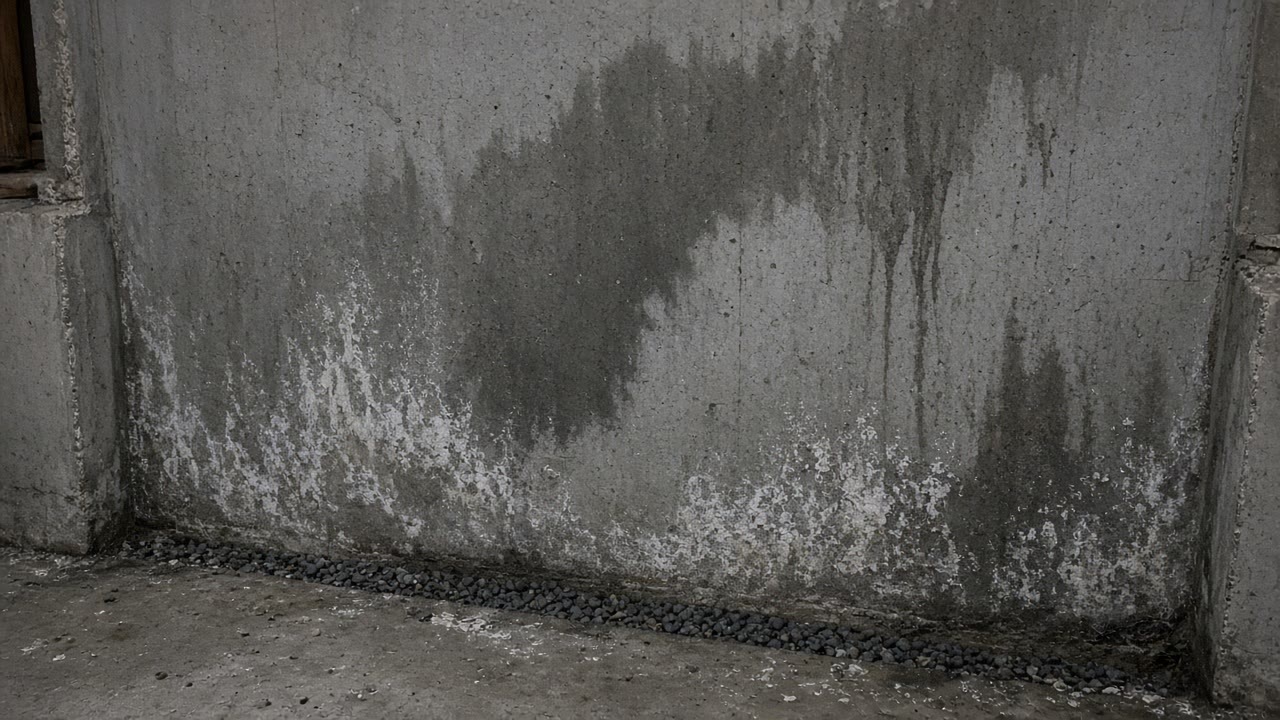
Simcoe County snowpack can be heavy. When melt arrives, frost is often still deep. Meltwater cannot soak into frozen ground the way summer rain can, so it follows the path of least resistance: the loose backfill trench around your foundation, straight down to the footing. Hydrostatic pressure then pushes water through cracks, porous masonry, or the cove joint where wall meets floor.
Soil varies across Barrie. Sandier glacial till drains faster; clay-bearing pockets hold water against walls for days. Homes near Lake Simcoe, Kempenfelt Bay, or low-lying lots often sit closer to a high seasonal water table. That is why a basement that stayed dry all summer can still flood in March without a new crack appearing overnight.
Repair options: how diagnosis chooses the work
Waterproofing is not one product. The inspection should match the entry path to a scope—not sell the same dig to every wet basement.
| Situation | Often better fit |
|---|---|
| Isolated leak through a poured-wall crack | Targeted crack injection (polyurethane for active leaks) |
| Cove seepage / water under the slab | Interior drain tile + sump |
| Exterior access blocked (deck, driveway, tight lot) | Interior methods |
| Wall itself must stay dry; masonry saturating; dig access OK | Exterior excavation + membrane |
| Pump failure or missing discharge plan | Sump repair/replace ± backup |
Interior waterproofing · Exterior waterproofing · Foundation crack repair · Sump pumps
Interior vs exterior in plain language
Interior systems cut a trench along the inside perimeter, place weeping tile in gravel, and send water to a sump—often with a dimpled membrane on the wall. They fit unfinished basements, tight lots, and cove or under-slab pressure. They depend on a working sump (and usually a backup when storms kill power). Walls may remain damp.
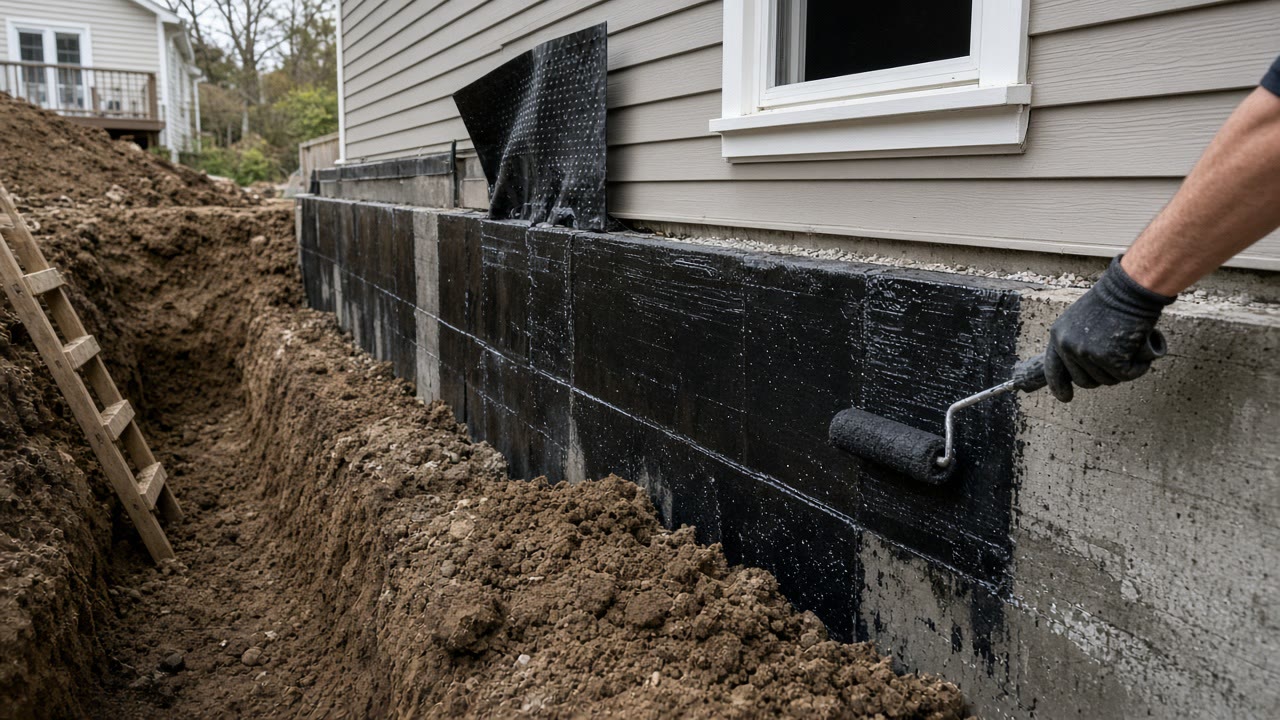
Exterior work excavates to the footing, repairs the wall, applies a membrane (± drainage board), replaces exterior weeping tile, and restores grade. It is more invasive and usually more expensive, and it is the path that keeps the wall itself drier when access allows. Fix gutters, downspouts, and grading before you pay for a dig—many Barrie leaks improve when roof water stops pouring into the backfill.
Sump pumps, discharge rules, and Barrie rebates
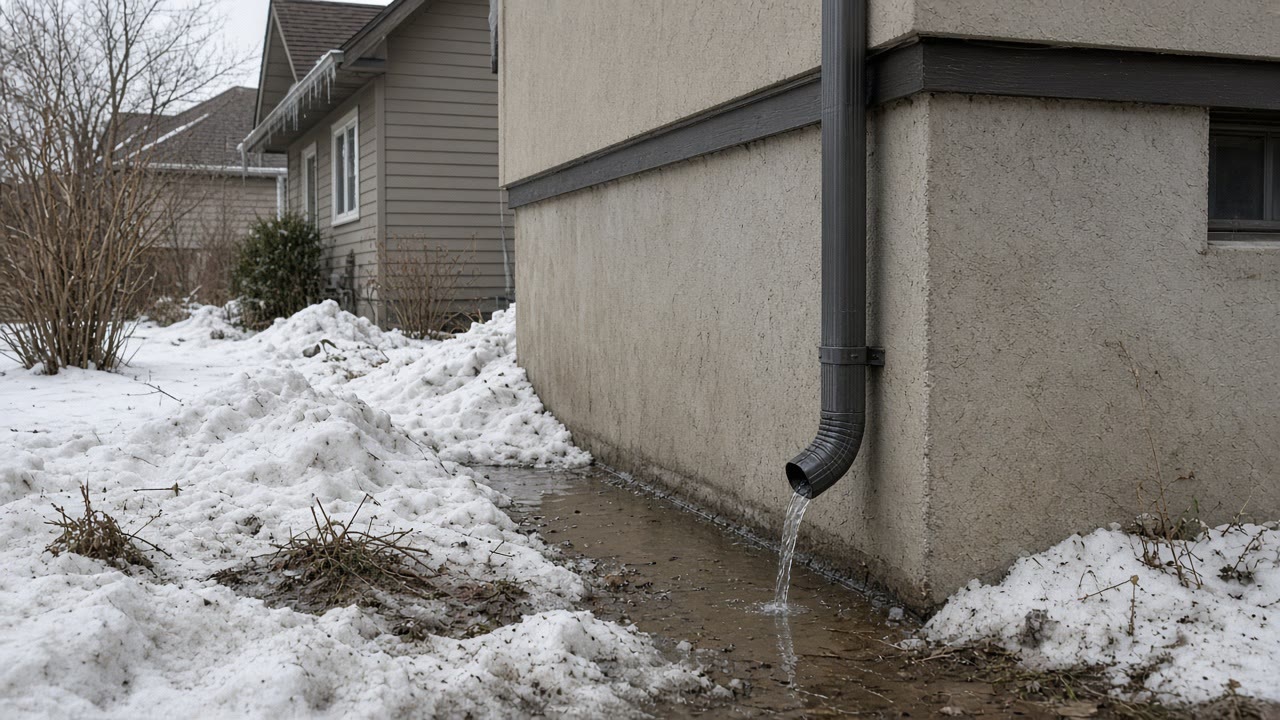
A sump pump only protects you if water is collected to the pit and discharged safely away from the house. Discharging foundation drainage to the sanitary sewer is not an accepted practice in Barrie discussions and Ontario plumbing guidance—confirm changes with the City. Surface discharge that ices sidewalks is a common winter complaint; dry wells, longer runs onto pervious lawn, and rain gardens are the usual alternatives.
Barrie’s Disconnect to Protect program can rebate eligible downspout and foundation-drain disconnections from the sanitary system—including capped percentage support for qualifying foundation-drain disconnection plus a new sump with surface discharge (permit required). Other eligible categories have different caps. It is not a general subsidy for membranes or crack injection. Confirm current eligibility, amounts, application steps, and permits with Service Barrie / Disconnect to Protect before booking work.
Read the sump pump guide for backup options, testing, and constant-running diagnosis.
Foundation crack repair
Isolated leaks through poured concrete walls are often sealed with polyurethane injection from the inside—the resin expands with moisture and fills the crack. Epoxy is for structural bonding on dry cracks, not the default for active seepage. Block foundations behave differently; water in cores may need drainage or exterior membrane approaches rather than a single injection.
Not every “crack” is the real entry point. Window wells filled with clay, missing drain caps, and freeze-thaw loosened frames are frequent Barrie false leads. Horizontal, stepped, or widening cracks need structural review—not just sealant.
Read the crack repair guide for material choice, what drives the quote, and when to call an engineer.
Costs and what belongs in a quote
What you pay depends on the method that fits the diagnosis. Crack injection is usually the smallest scope when a single poured-wall leak is the problem. Interior drainage rises with perimeter length, membrane height, and sump or backup inclusions. Exterior excavation is typically the largest investment once depth, clay, hand-dig access, and landscaping restoration are included. Your written estimate will reflect your home.
What usually changes the number:
- Foundation depth and soil type
- Finished vs unfinished basement
- Access for machines vs hand digging
- Whether weeping tile, sump, and backup are included
- Permit and restoration scope
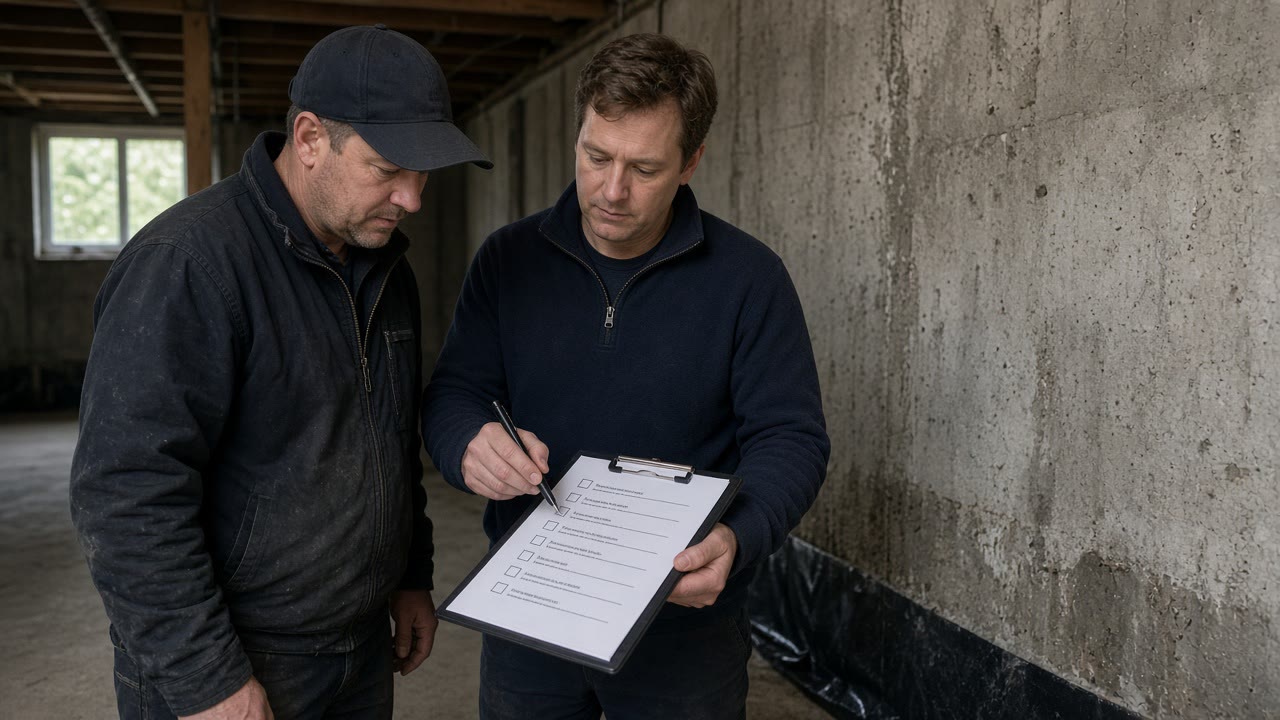
Sample quote checklist
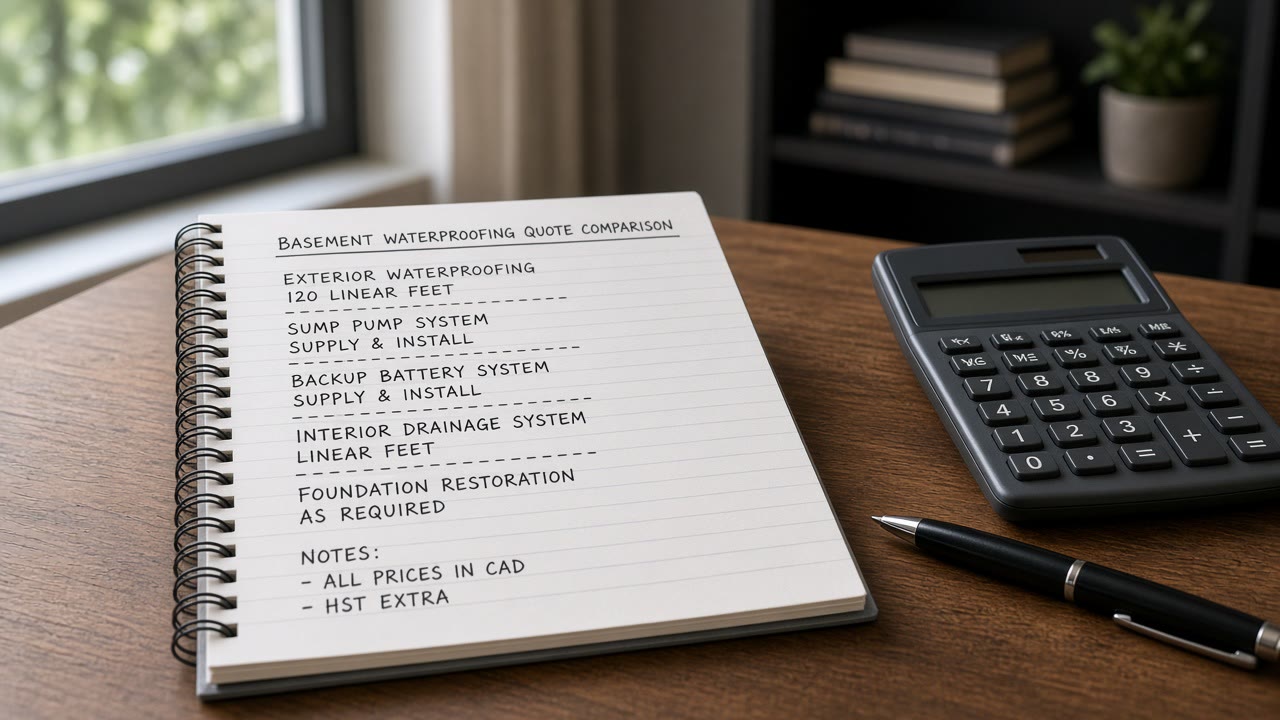
Use this checklist when you review a written estimate—ours or anyone else’s—so every bid covers the same job.
- Diagnosed entry path (crack, cove, window well, under-slab, or mixed)
- Method and linear feet or crack count
- Sump, check valve, discharge routing, and backup—if included
- Cleanup, disposal, and landscaping/driveway restoration
- Permits and who pulls them
- Warranty terms and transfer rules—if offered—in writing
- What is excluded (HST treatment, structural work, adjoining trades)
Permits in Barrie
City of Barrie residential permit guidance lists repair or replacement of basement waterproofing as work that requires a building permit. Installing or replacing plumbing elements such as backwater valves also requires a permit. Always confirm your exact scope with Building Services. Digging requires Ontario One Call locates before excavation.
From diagnosis to quote
Typical industry practice after a homeowner requests help—not a promise of any specific crew or timeline—looks like this:
- Intake — photos, Barrie area or postal code, when water appears, finished or unfinished, sump present
- On-site inspection — interior and exterior grade, cracks, cove, weeping tile, downspouts
- Written itemized quote — method, linear footage, inclusions, exclusions, permits
- Permits / rebate pre-approval — when applicable (e.g. Disconnect to Protect eligibility visit before work)
- Work and cleanup — protect belongings; cut or dig; install; test pump; restore as scoped
- Aftercare — keep discharge clear; test backups; maintain gutters and grade
Ask when you call about inspection fees, typical scheduling windows, and what warranty terms would apply to your scope. We put method, linear footage, inclusions, and exclusions in writing before work starts.
Questions before you book
- What happens after rain or melt? Note timing and location before the visit—that pattern is the diagnosis.
- Can one wet wall be assessed? Yes. Partial exterior work or a single crack injection is common when the entry path is localized; under-slab pressure may still need interior drainage.
- How should quotes be written? Same problem, same linear feet, same inclusions—use the checklist above.
- When is another trade needed? Structural bowing/widening cracks need engineering; sanitary sewer backup is a plumbing/backwater issue, not groundwater waterproofing alone.
- What happens after I submit the form? We use your details to follow up about an inspection or estimate. A form send is not a signed contract or a final price.
Basement waterproofing FAQs
There's a puddle in my Barrie basement after heavy rain — is it a foundation crack, or should I check the sump / drainage first?
Start with free/cheap checks: raise the sump float or pour water into the pit to confirm the pump runs; extend downspouts away from the foundation; note ponding between houses. Barrie homeowners often find a failed sump or surface drainage before a full dig is needed. If water returns after those checks, book an inspection to locate crack vs cove seepage vs window-well issues.
Why is my Barrie basement wet mainly in spring / March?
Simcoe snowpack melts while frost is still deep; meltwater follows the loose backfill trench to the footing and raises hydrostatic pressure. That seasonal pattern is common around Barrie even without a new crack.
Should I waterproof before I finish the basement?
Yes — fix liquid water first. Finishing over active seepage traps moisture behind drywall and raises mold risk. Prove the space stays dry through heavy rain / spring melt before framing.
Interior or exterior waterproofing — which is better?
Neither is universally best. Exterior stops water at the wall; interior drain tile + sump manages water that reaches the foundation and is often better for cove/under-slab pressure or when digging outside is impractical. Diagnose entry path before choosing.
How much does basement waterproofing cost?
Cost depends on method, linear footage, access, soil, finished vs unfinished space, and whether sump, backup, permits, and restoration are included. Compare itemized scopes for the same problem—not headline totals alone. Ask for a written estimate for your property.
Do I need a building permit for basement waterproofing in Barrie?
City of Barrie lists repair/replace waterproofing for basements as requiring a building permit. Plumbing work such as backwater valves also needs a permit. Confirm the specific scope with Building Services / Service Barrie.
Is there a City of Barrie rebate for waterproofing?
Barrie's Disconnect to Protect program rebates eligible downspout, sump, and foundation-drain disconnections from the sanitary sewer, with capped percentages for qualifying categories such as foundation-drain disconnect plus a new sump with surface discharge. It is not a general membrane waterproofing subsidy. An eligibility visit is required before work; confirm current amounts with the City.
White powder (efflorescence) on basement walls — do I need waterproofing?
Efflorescence means moisture has been moving through masonry and depositing salts. Fix exterior drainage first (grade, downspouts); if dampness continues, interior management or exterior membrane/drainage may be needed — paint-only sealers from the inside often fail under hydrostatic pressure.
Can I just use waterproofing paint / Drylok?
Interior coatings do not relieve outside water pressure and can trap moisture in block walls. Treat coatings as cosmetic at best after the water source is controlled.
How do I choose among very different quotes?
Align every bid on the same problem and scope: method, linear feet, sump/backup, discharge, warranty transfer terms, landscaping restoration, and permits. A much higher or lower number often means different inclusions (for example a backwater valve).
Services
Interior waterproofing
Interior drain tile, membranes, and sump-connected systems for cove seepage and under-slab pressure.
Exterior waterproofing
Excavation, membrane, weeping tile, and grading when the wall itself must stay dry.
Sump pump installation
Primary pumps, battery backups, discharge planning, and Barrie rebate intersections.
Foundation crack repair
Polyurethane injection for poured-wall leaks, and when cracks need structural review.